The best time to visit Lalibela, month by month
Lalibela is worth visiting in any month, but the weather and the crowds change a lot through the year. Here is how I explain it to travellers who ask me when to come.
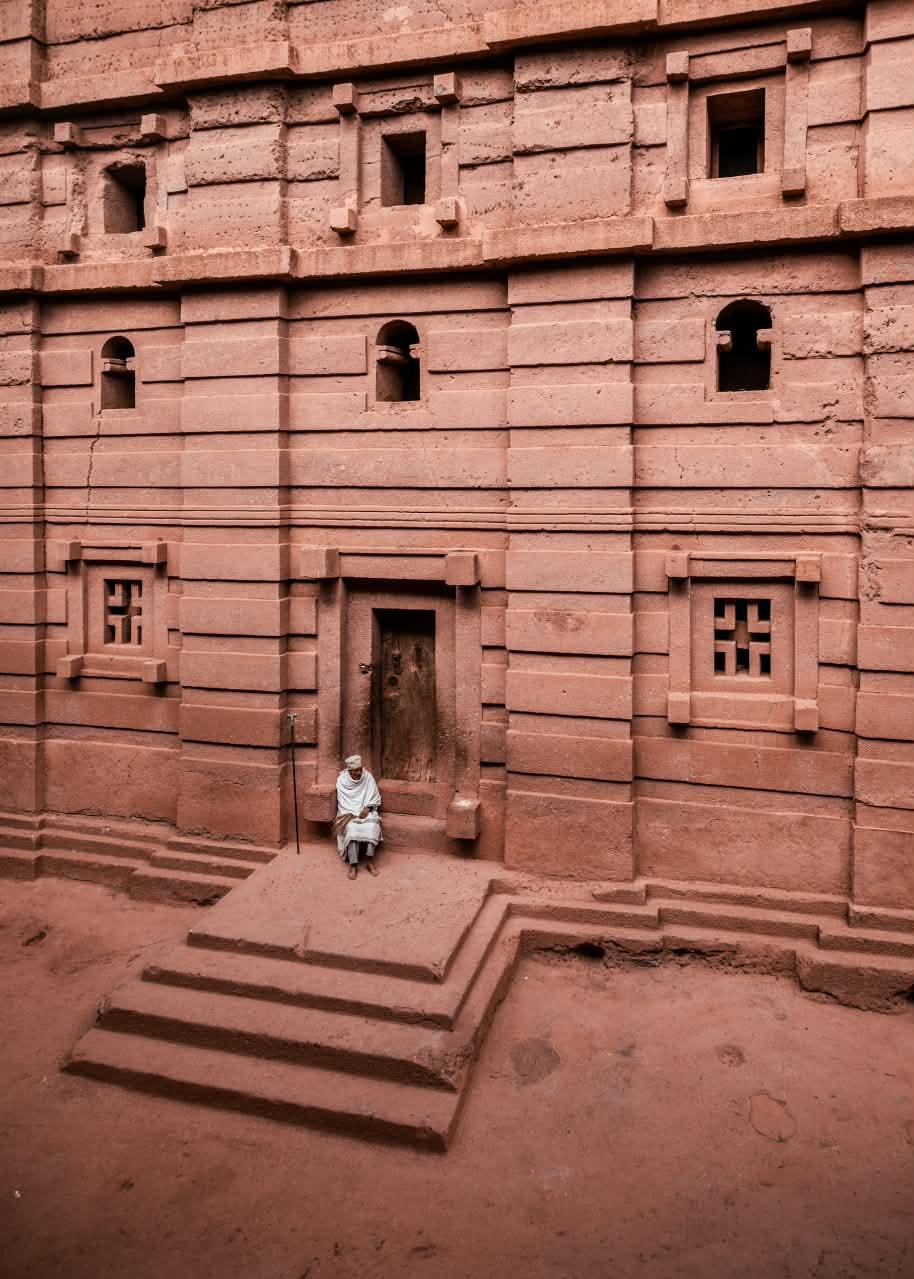
The short answer
October to March is the best time for most people: dry, sunny days, green hills after the rains, and the two great festivals, Genna (Christmas) in early January and Timkat (Epiphany) in mid-January. If you want the churches quiet, come in October, November, February or March.
Month by month
| Months | Weather | What to expect |
|---|---|---|
| October – November | Dry, clear, green landscape | One of the loveliest times. Few visitors, comfortable days. |
| December | Dry and sunny, cold nights | Busier towards the end of the month as pilgrims arrive for Genna. |
| January | Dry and sunny, cold nights | Genna (7 January) and Timkat (19 January). Unforgettable, but book hotels and your guide months ahead. |
| February – March | Dry and warm | Quiet again after the festivals. Very good for photography and hiking. |
| April – May | Warmer, occasional showers | Fasika (Easter) falls in April or May. Fewer foreign visitors. |
| June – September | Rainy season, heaviest in July and August | Afternoon rain and muddy paths, but very green and very quiet. Mornings are often clear. |
Altitude and temperature
Lalibela sits at about 2,600 metres. Days are usually mild, but nights and early mornings can be cold, especially from November to January. Bring a warm layer for the early start, and give yourself a slow first day if you have flown in from the coast.
Festivals and booking ahead
During Genna and Timkat, tens of thousands of pilgrims come to Lalibela. Hotels fill up and prices rise, and good guides are booked early. If you want to be here for a festival, I recommend planning three to six months ahead.
Ethiopian festival dates follow the Ethiopian calendar. Ask me to confirm the exact dates for your year before you book flights.